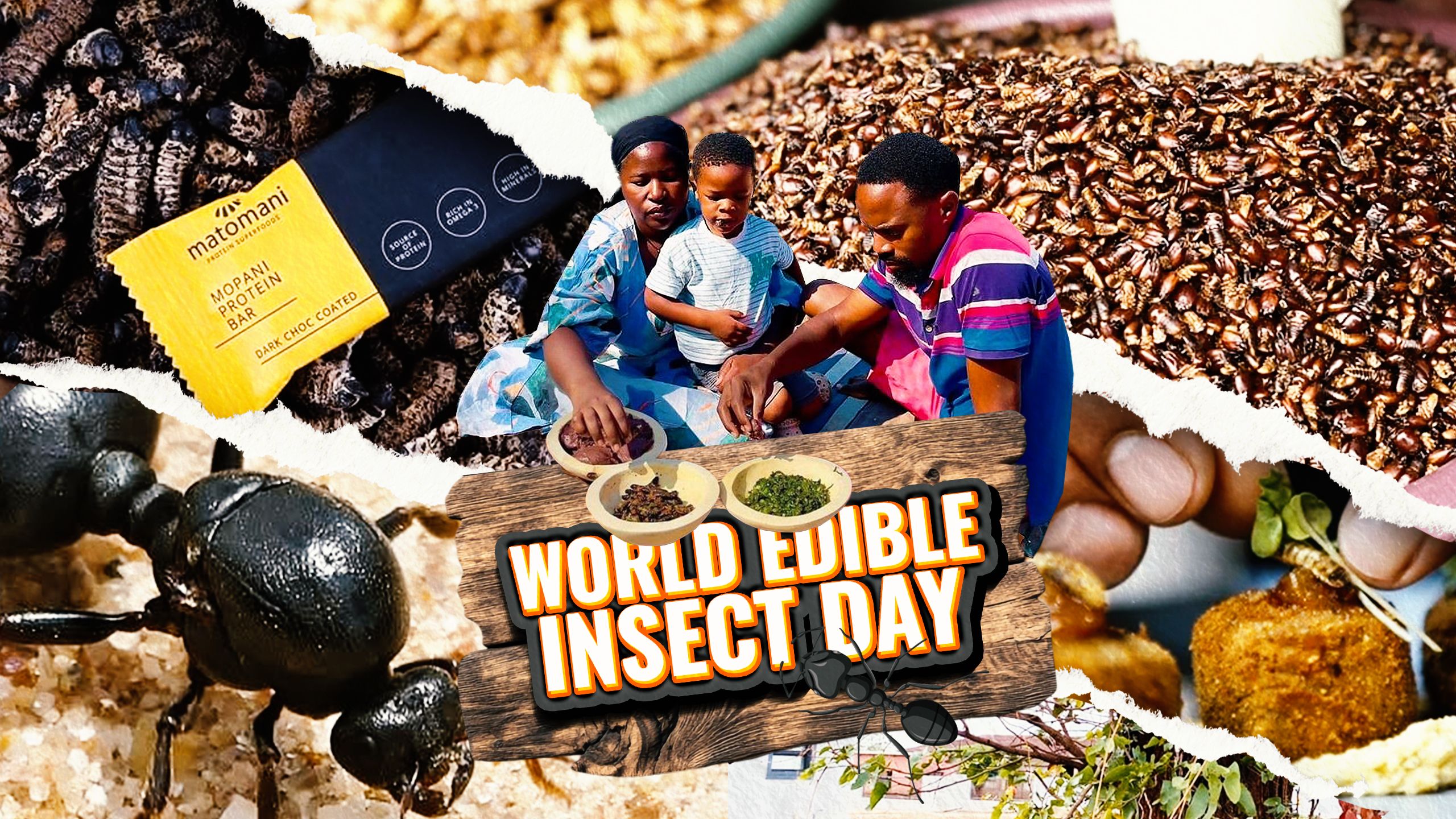

WORLD Edible Insect Day is celebrated on 23 October
And here’s why you should eat masonja!
Daily Sun explores the consumption of mopani worms, highlighting their significance as well as their cultural and health benefits.
A symbol of South African heritage
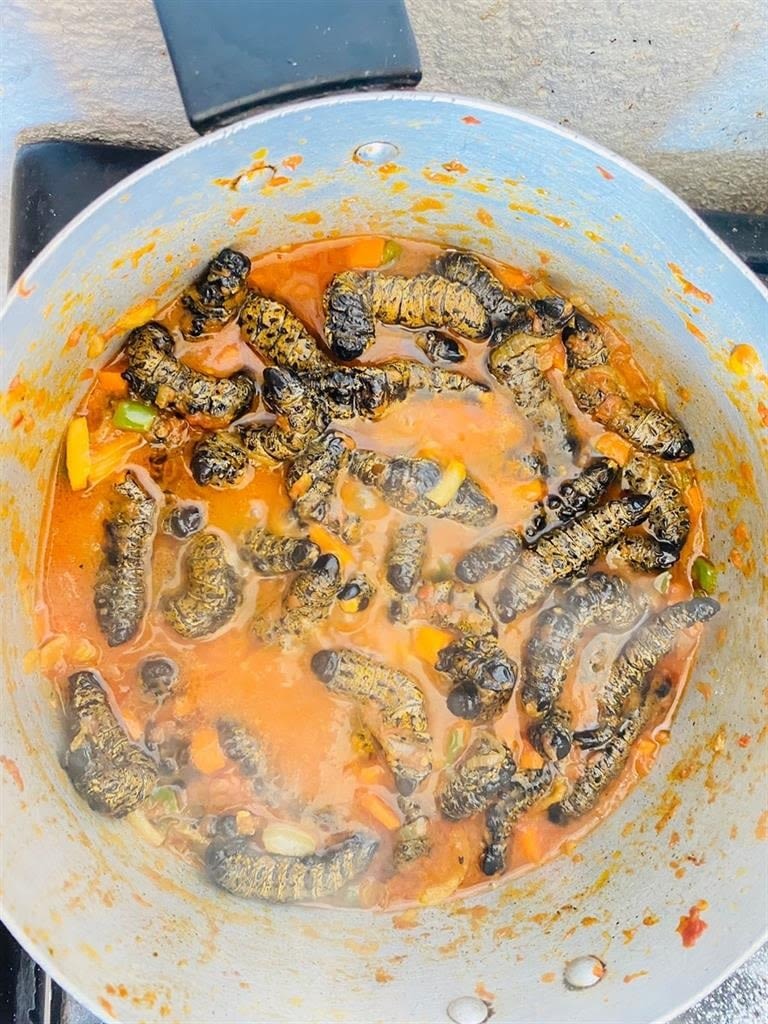
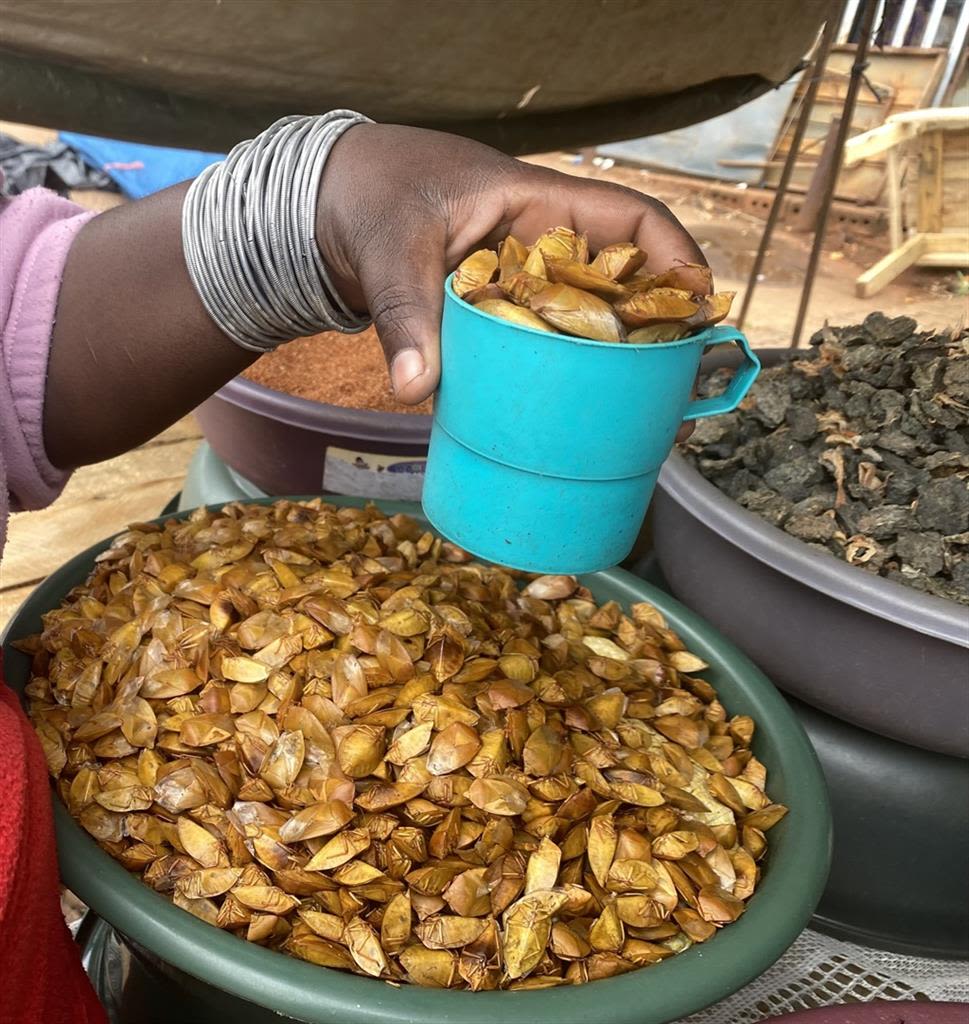
According to Trevor Rehaugetswe, a cultural expert from the department of sociology and anthropology at the University of Limpopo (UL), mopani worms, commonly known as masonja, are a traditional South African food that reflects the heritage of the Bapedi, Vatsonga, VhaVenda, and Batswana people.
“Historically, these worms were perceived as food for the poor by Western people. However, due to their seasonal availability, local communities would preserve them for future use."
Packed with protein and nutrients


Mankaleme Thema | Freelance Journalist
Mankaleme Thema | Freelance Journalist

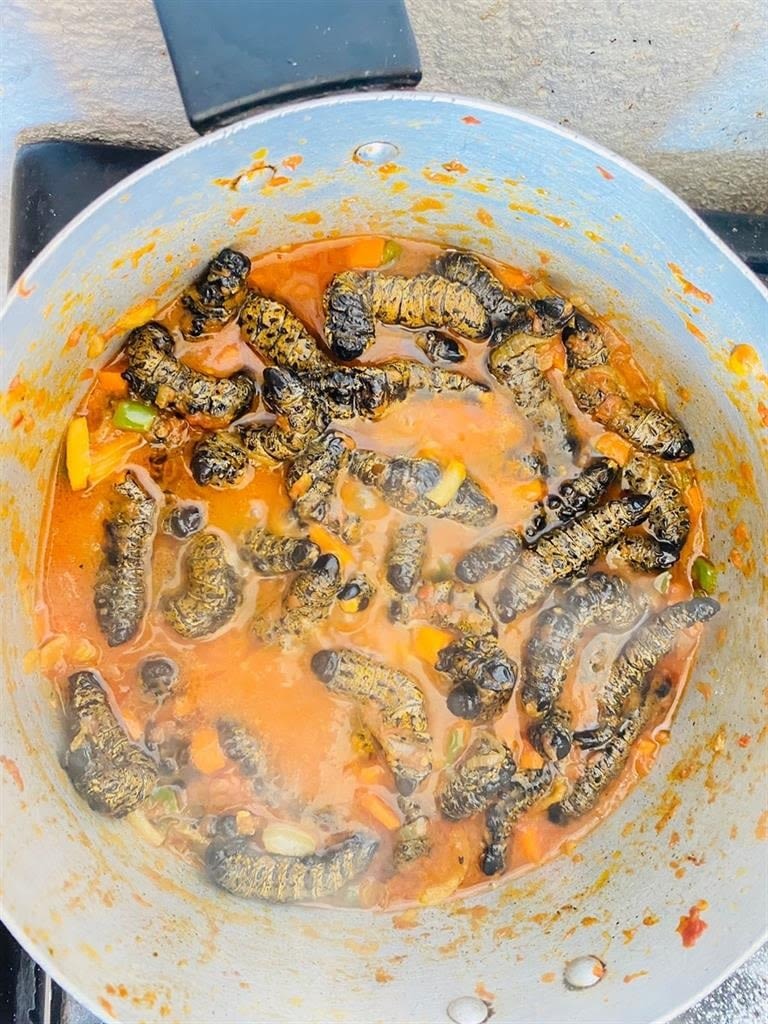

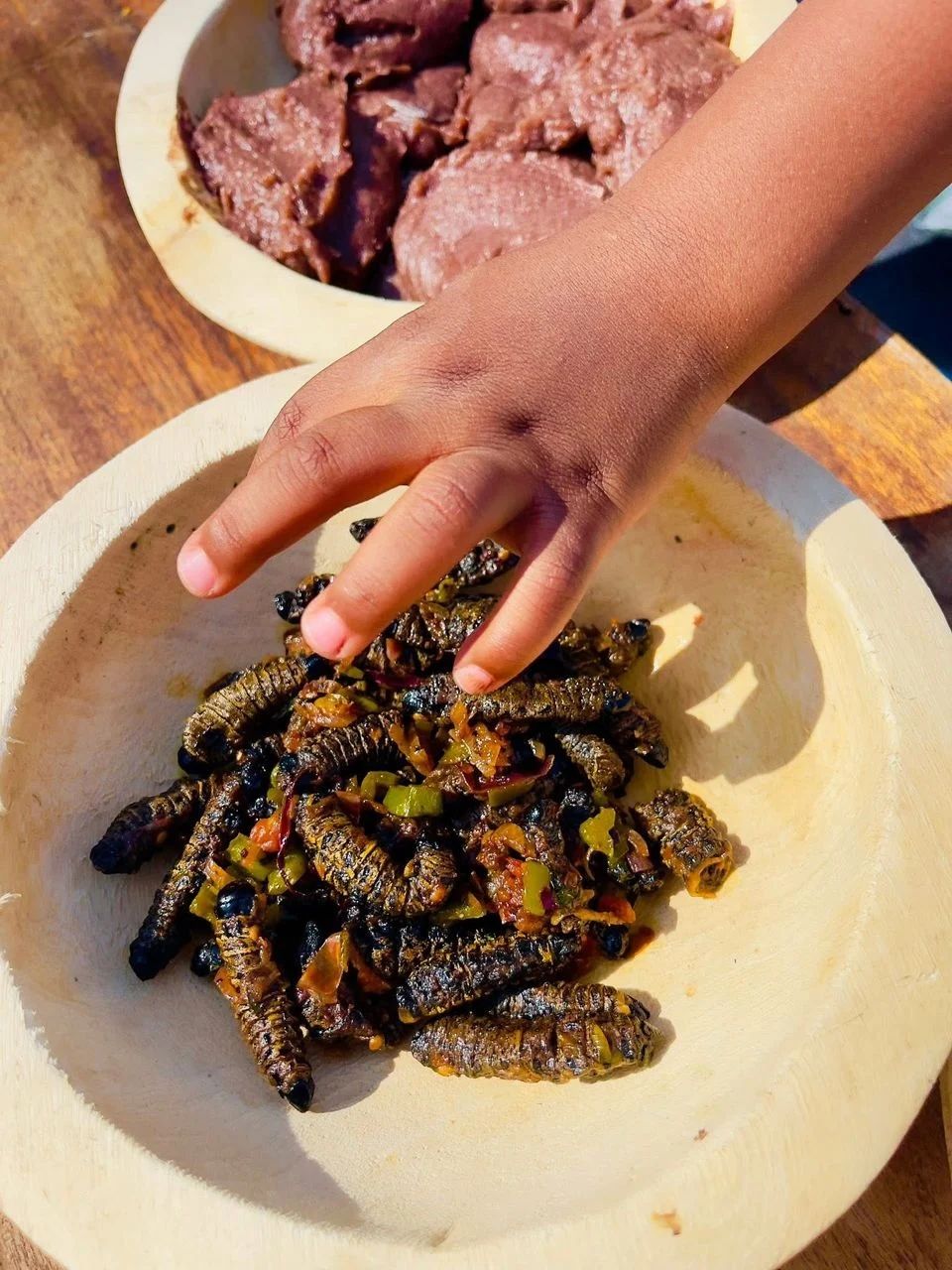
Nyanzara family's crunchy obsession!
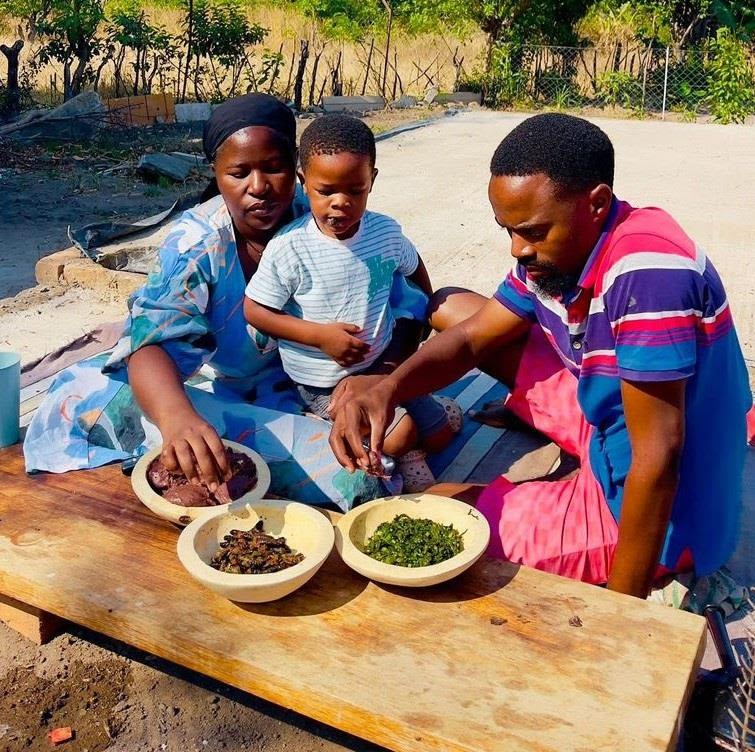
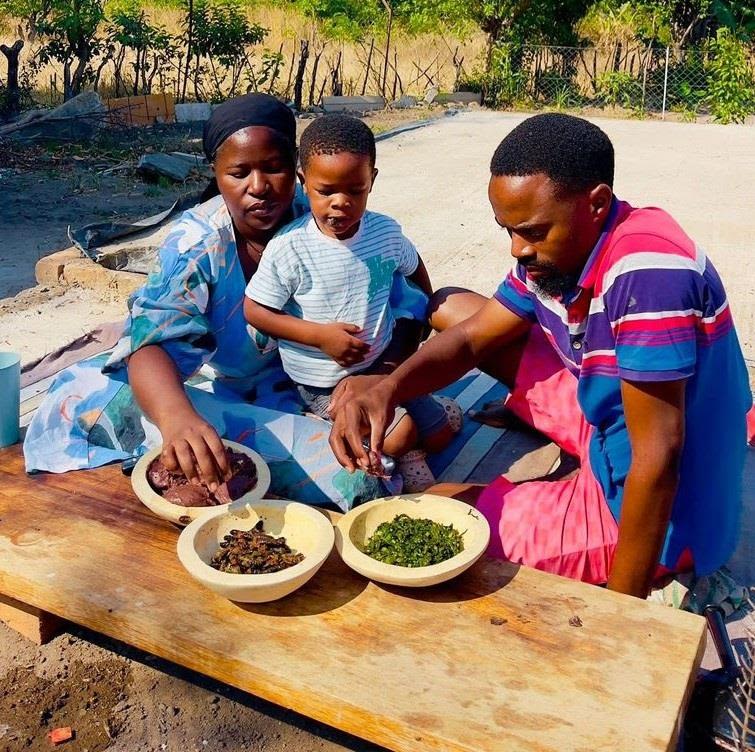
FOR Mugove Nyanzara from Zimbabwe, serving mopani worms is a tradition he hopes to pass from generation to generation.
He and his family eat these edible insects at least once or twice a week. And with Mugove (30) being a socialite, he posts every dish on socials to show the world how they live.
My wife and kids love them
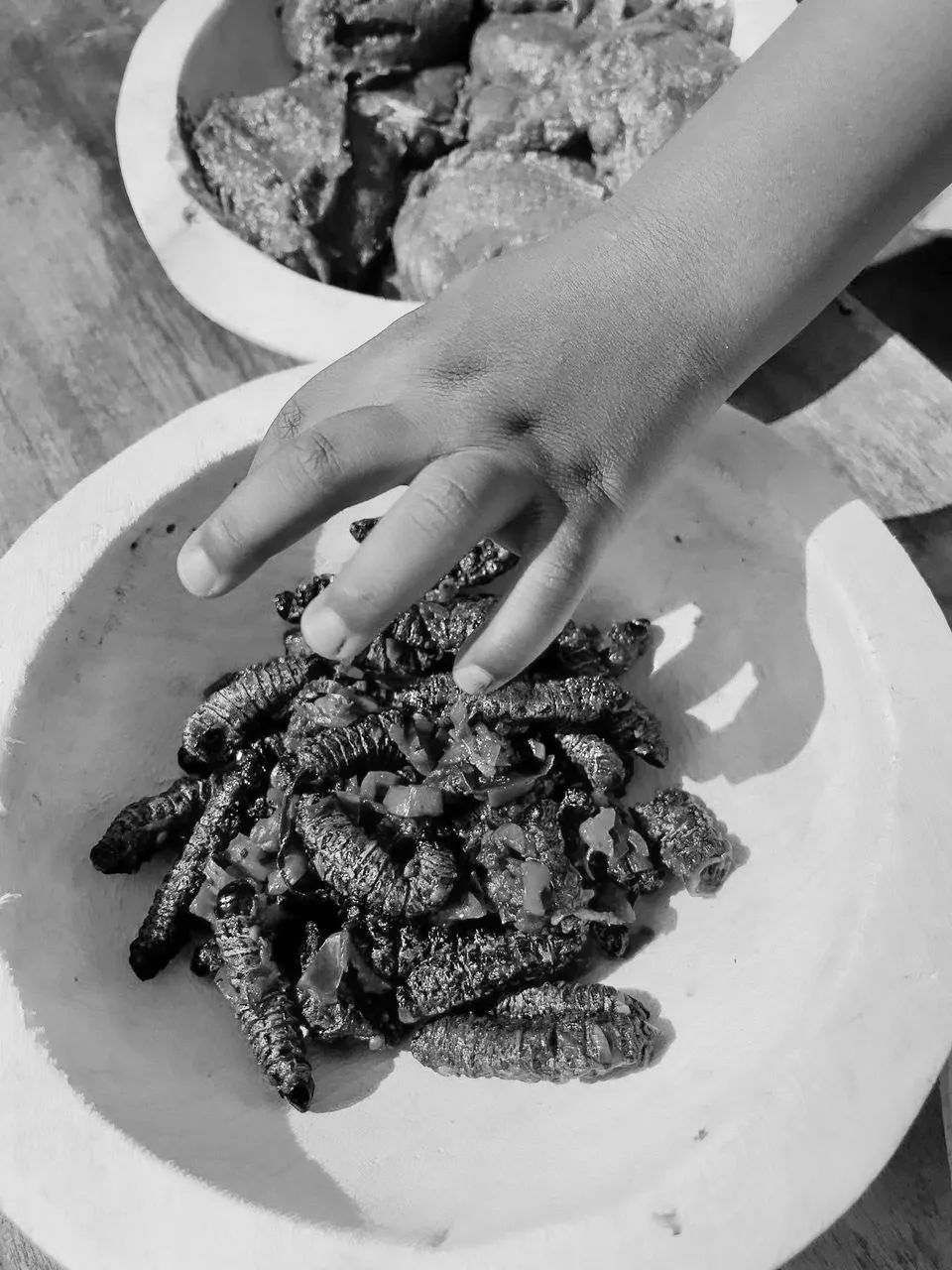
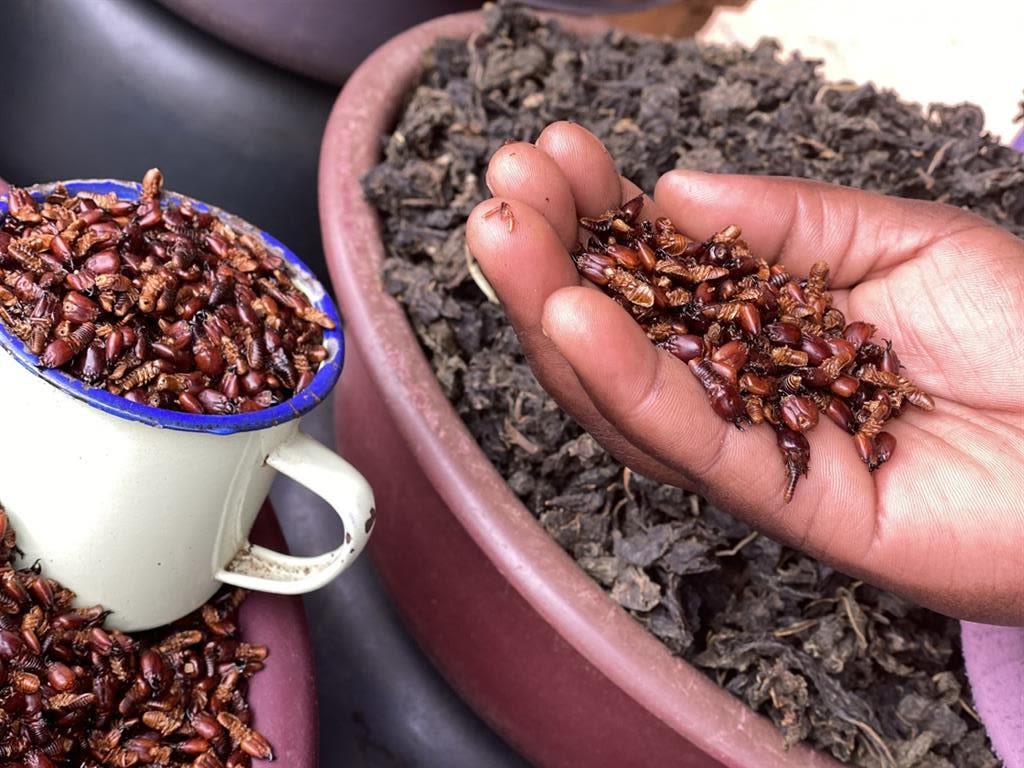
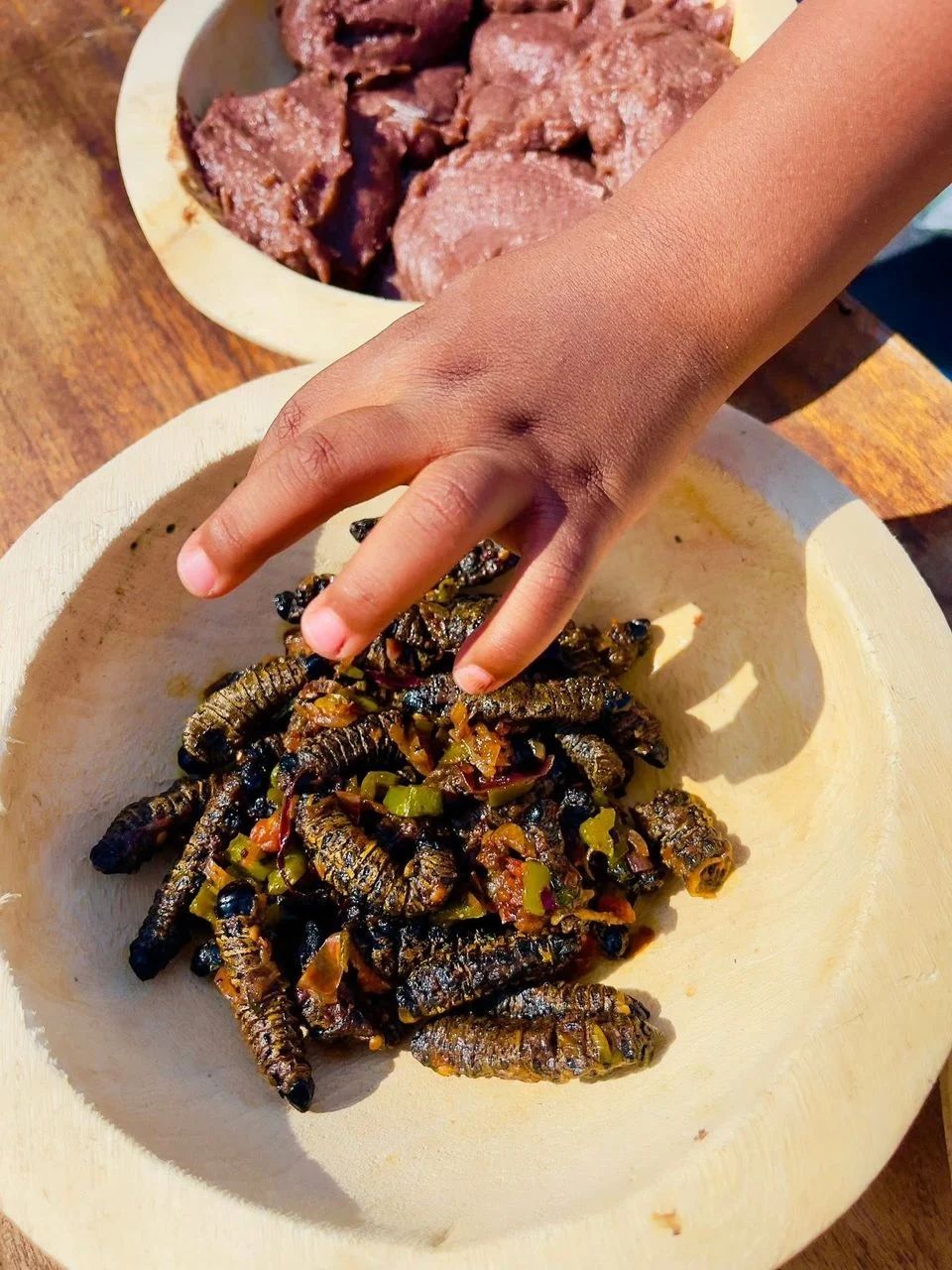
Talking to Daily Sun, Mugove from Domboshava in Mashonaland East in Zimbabwe, said he eats masonja as a snack and a meal. He buys them dry and puts them in warm water, fries them with onion and tomatoes.
"They're delicious with high protein. I started eating them when I was a kid. I've also introduced them to my kids, and my wife loves them too. These insects are nicer when prepared with their original flavour, with a bit of salt but no spices."

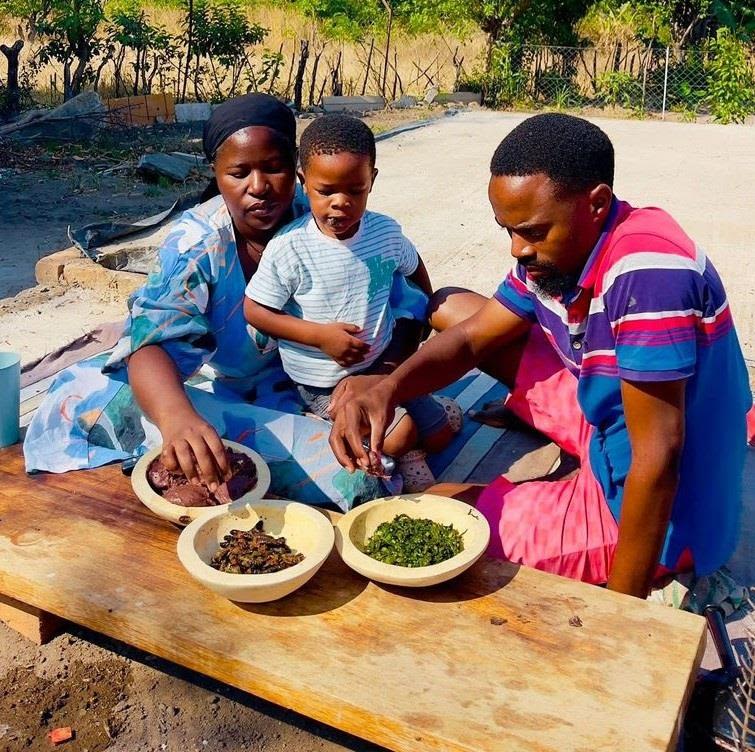
The Nyanzara family from Zimbabwe enjoys masonja as a meal or snack.
The Nyanzara family from Zimbabwe enjoys masonja as a meal or snack.



Stephens Molobi | News Editor
Stephens Molobi | News Editor


Mopani worms go oorkant!
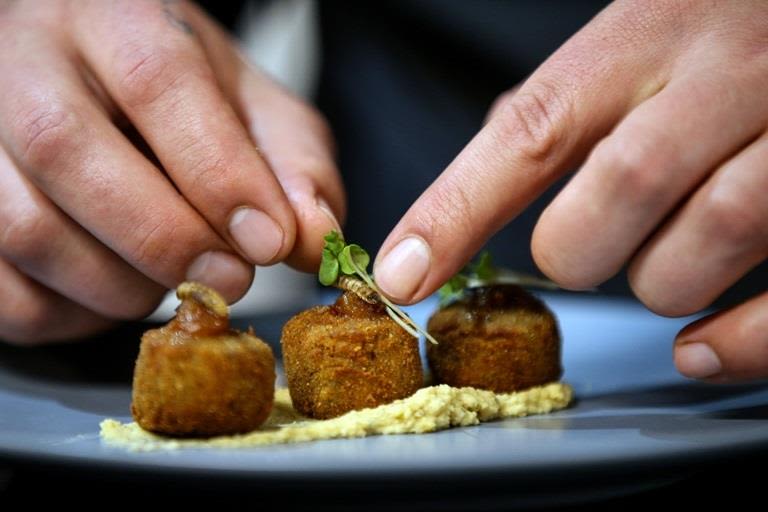
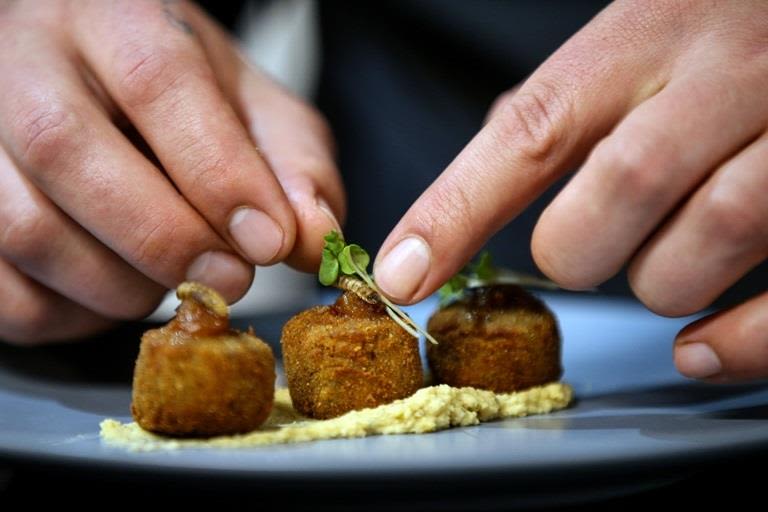
THE edible mopani protein revolution has really shaken the world in a positive way, from restaurants' offerings to over-the-counter purchases.
These edible insects are really going further than anticipated.
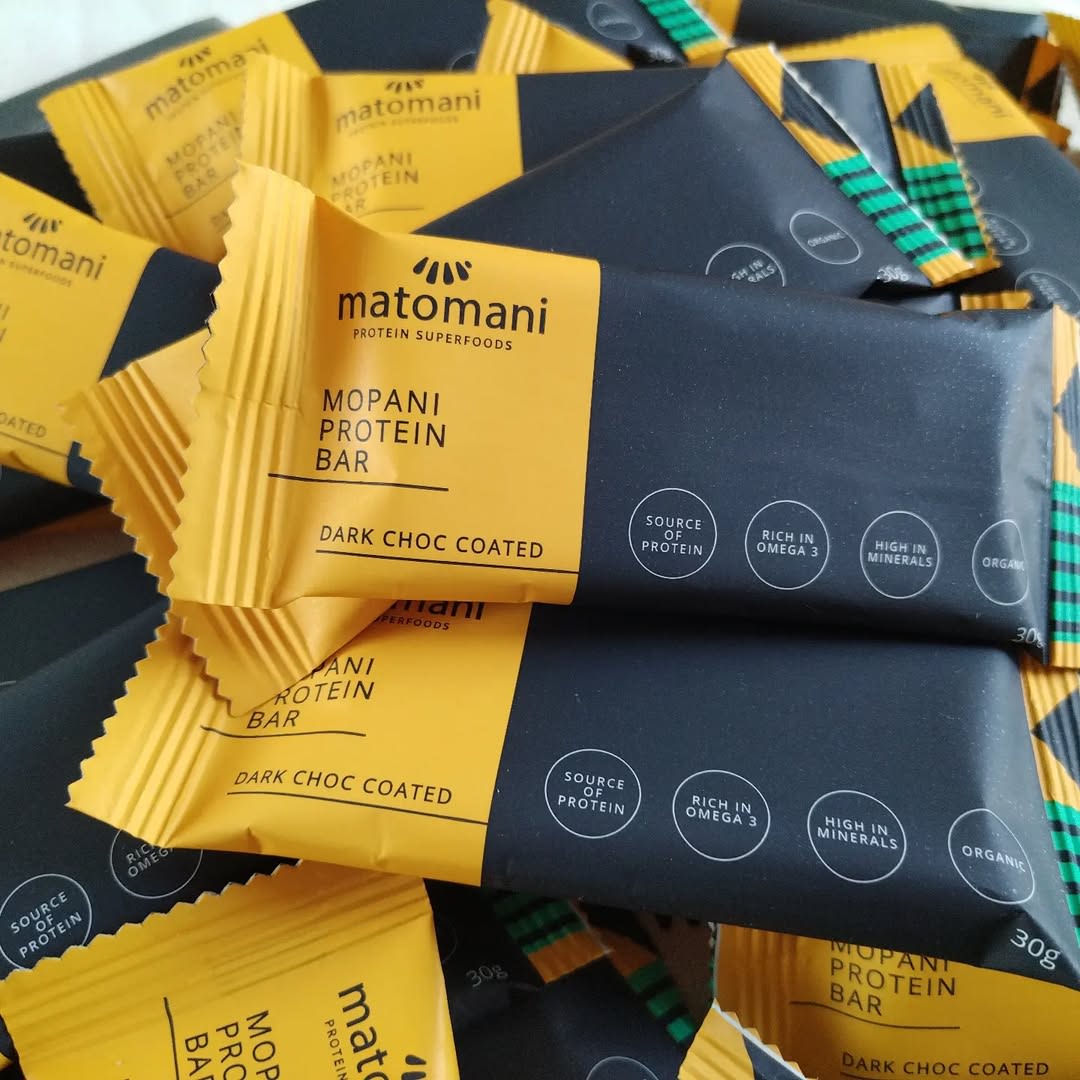
Matomani is now a globally recognised company that transforms Mopani caterpillar into a food supplement that benefits both people and the planet.
As a result, the global edible insect market is gaining remarkable momentum. According to reports, it is projected to reach more than 556 million US dollars at the end of 2025. This is represented by steady growth anticipated by 2033.
"Our hope is to build a strong relationship between Mopani-harvesting communities."


Wendy Vesela-Ntimbani is founder and CEO of Matomani.
Wendy Vesela-Ntimbani is founder and CEO of Matomani.

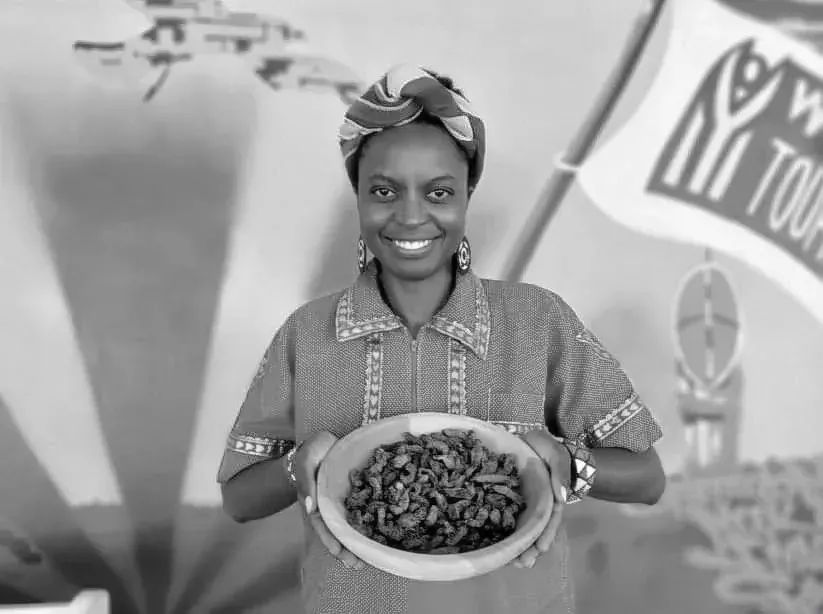



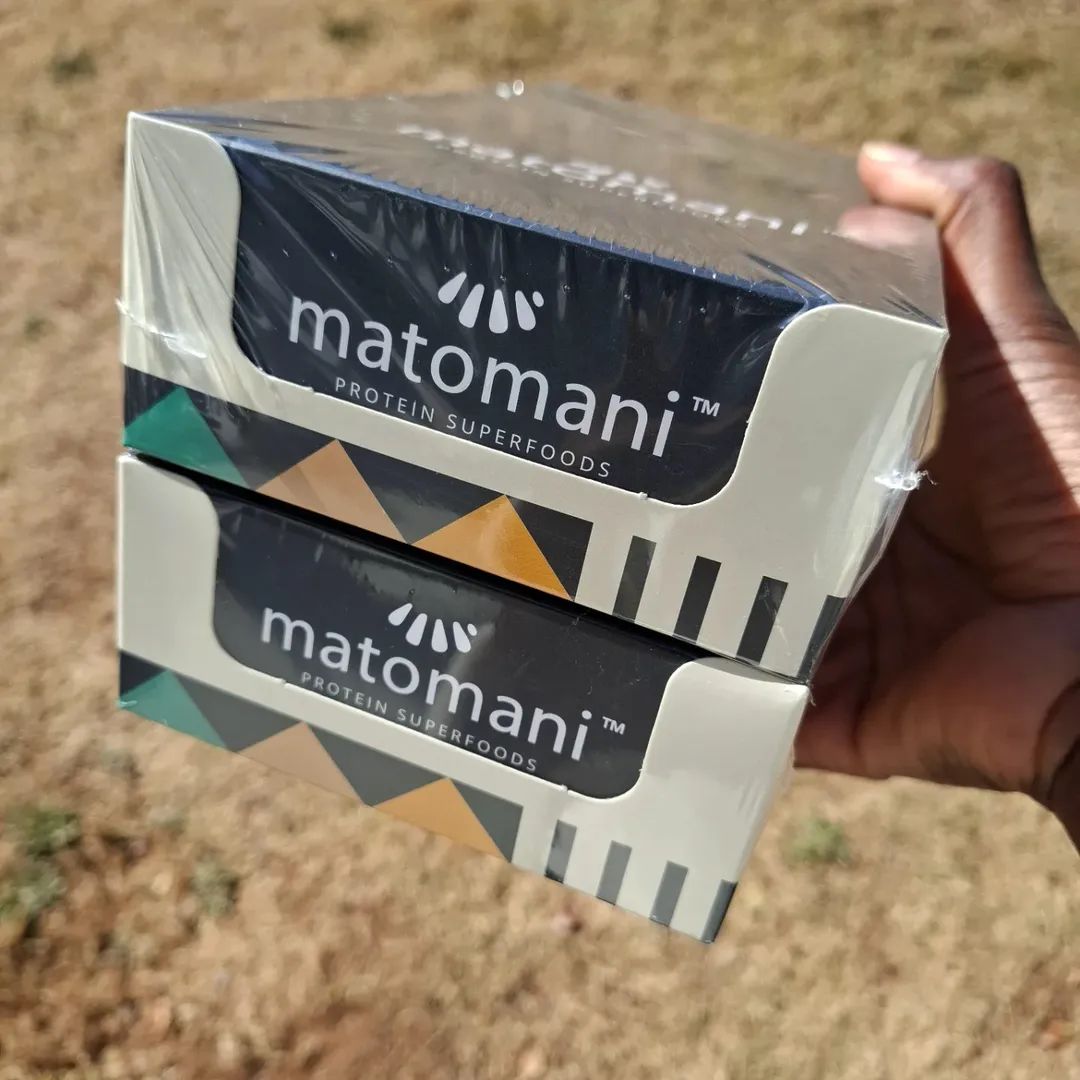
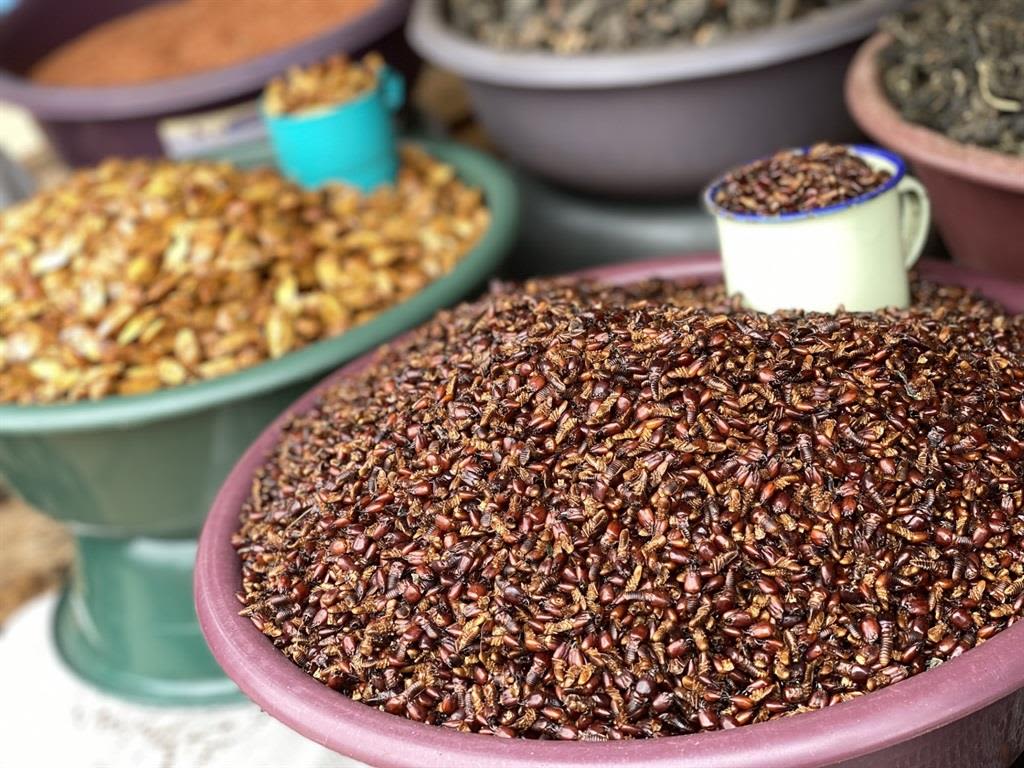
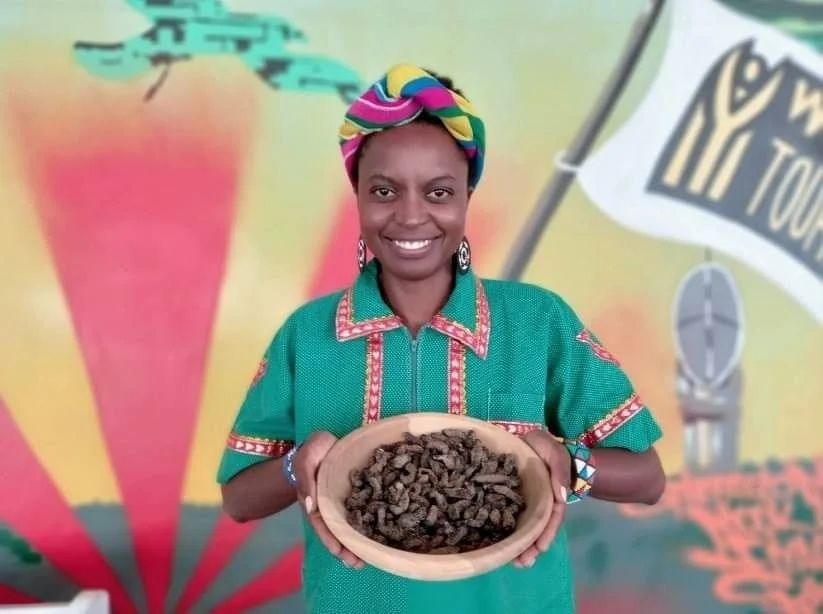
“They can be prepared as traditional food, snacks and sometimes even raw for hangover relief."
These bugs pack more protein than beef
TO some people, these edible insects may look scary, slimy and even inedible, but they are packed with some of the best nutrients one can have.
Most of these edible insects like bugs, mopani worms, locusts are freely made available by nature. Because one needs to know exactly which ones to consume.
Many edible insects have more protein than beef or chicken
Experts agree that most of these insects have a significant health advantage compared to normal food consumed. As the world celebrates this gift of nature on 23 October, experts on nutrition have their say on the advantages of consuming such insects.
Health experts (dieticians) highlighted various benefits of edible insects. Speaking to Daily Sun, Sekgobela Tumelo, who practises under Sedibeng health district said: "Many edible insects have more protein than beef or chicken, and it's easy for the body to digest. They also provide all the essential building blocks (amino acids) that one's body needs."

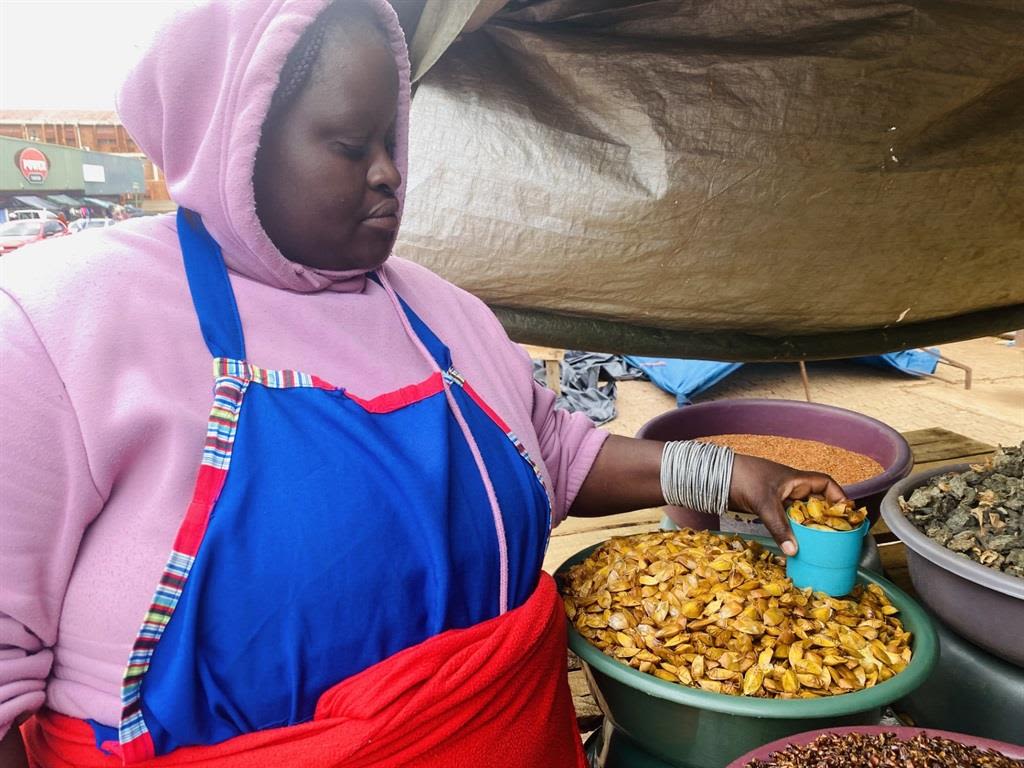
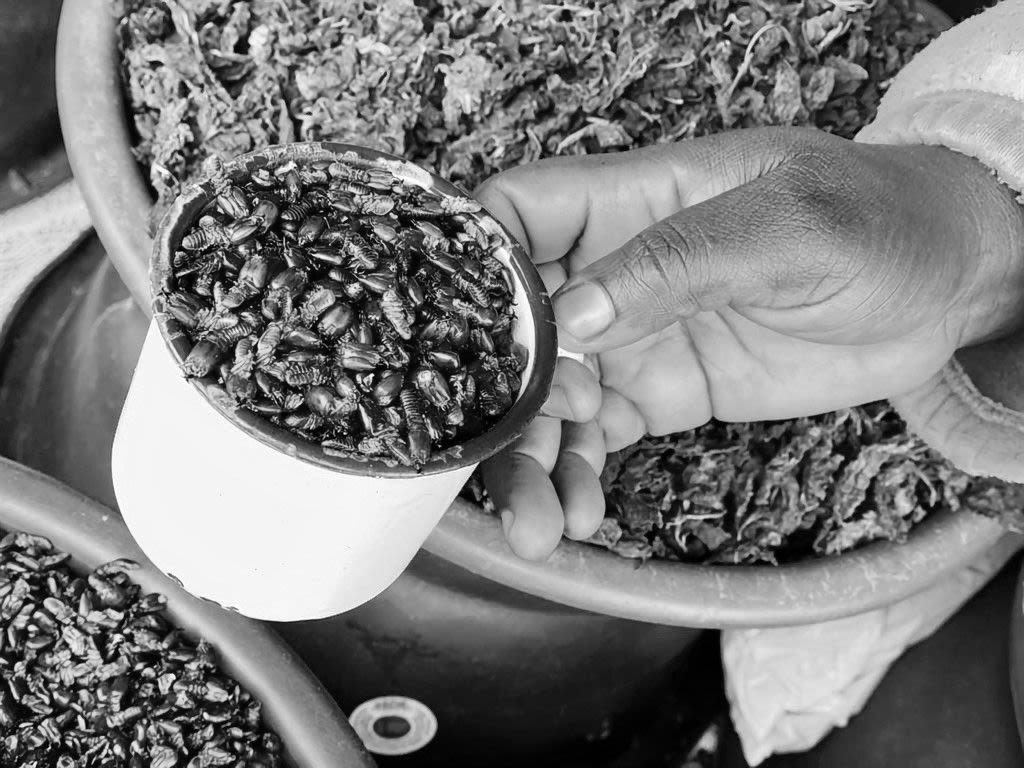

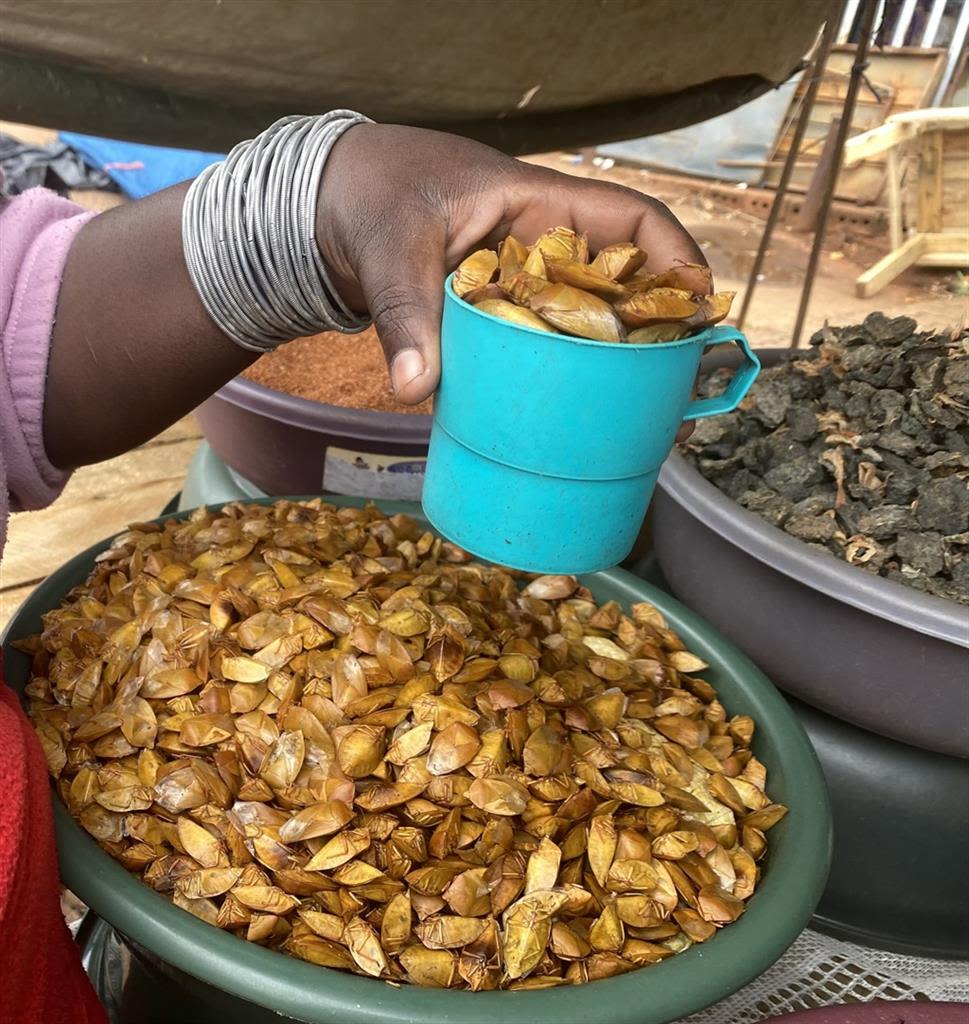
FORGET BILTONG! These Crunchy BUGS Are Mzansi's new superfood!
Often, a lot of what used to be normal for Africans living in Mzansi villages and townships gets turned into something else for commercial reasons.
A few years ago, some clever pants launched and sold an ice-cream peppered with edible bugs. Even those who would frown upon a meal of masonja and pap queued up for this fashionable treat.
Edible bugs are not just seshebo
When the world recently observed a day to celebrate edible bugs, we took the opportunity to remind the people of Mzansi that this is actually not something new. A lot of us and our parents and those who came before them, feasted on these healthy insects.
Edible bugs are not just seshebo - they are part of our culture and heritage because they connect us with the times when life was just simple and normal. They also pack a mean amount of protein that's good for your teeth and bones.
So, don't be shy. Normalise stocking up on all things insects for seshebo and snacks. They are just as good as prawns or biltong.


Amos Mananyetso | Editor-in-Chief
Amos Mananyetso | Editor-in-Chief

Old school kids brave cobra snake for dintlhwa!
MANY childhood memories are linked to the arrival of summer rains.
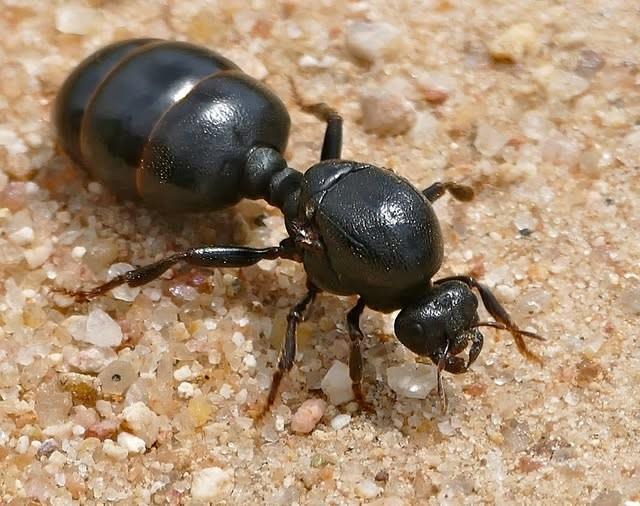
When the first summer rains drummed down on the red soil of Mabeskraal, near Rustenburg in the North West kids knew exactly what that meant. It was free food from heaven. The rain brought dintlhwa, the tiny, winged termites that turned the dusty earth into a playground of joy and tradition. For generations, dintlhwa were more than just insects.
They were a gift of nature, a source of nutrition, and community spirit.
“When we saw those small holes surrounded by biting red ants, we knew dintlhwa were about to come out,” recalls a villager from Mabeskraal.


Doreen Molefe | Deputy Editor
Doreen Molefe | Deputy Editor

Gallery








“They can be prepared as traditional food, snacks and sometimes even raw for hangover relief."

Contributing writers: Amos Mananyetso: Editor-in-Chief | Doreen Molefe: Deputy Editor | Stephens Molobi: News Editor | Mankaleme Thema: Freelance Journalist Revise subs: Solomon Mahapa | Wendy Mathebula | Desmond Pitoyi Layout sub and Graphics: Thabiso Nkosi